Tuesday, 7 August 2018

10 Foods You Can Store For Over 100 Years

10 Foods You Can Store For Over 100 Years was first published to http://totalsurvival.net/

This post may contain affiliate links. If you make a purchase, I'll earn a small fee at no extra cost to you.*

10 Foods You Can Store For Over 100 Years Follow Me on Pinterest

10 Foods You Can Store For Over 100 Years Follow Me on Pinterest

There’s a common misconception that all food goes bad, but that’s not entirely accurate. There are some foods that, for all intents and purposes, will last forever. Or at least for the rest of your life. I’m talking about the so-called “forever foods.”

Sugar, salt, and honey are three common examples. Another one is white rice. As long as it’s stored properly, white rice will last at least 30 years and possibly up to 100 years or longer. That’s why I think it’s important to store lots of rice and learn how to cook many different meals with it. If the disaster lasts long enough, it could become one of your main staples.

Kimberlee writes, “Some foods can last a century. Yes, that’s right. A hundred years! Here are 10 foods that can last (pretty much) forever. In fact, if stored property, they will never spoil and will stay as fresh as the day you bought them — and will make a great addition to your pantry or emergency food supply.” Follow the link below to keep reading.

10 Foods You Can Store For 100 Years Sponsored LinksThis article first appeared on urbansurvivalsite.com See it here

Original Post Here: 10 Foods You Can Store For Over 100 Years

The Pencil Snare: Trap For Your Life (Part 7)

The following post The Pencil Snare: Trap For Your Life (Part 7) is available on Total Survival

You have got to learn how to set up a pencil snare for your own good. This simple guide will you show how. Knowledge of this simple trapping mechanism will prepare you for any survival situation. Learn how to trap game for food and defend your bug out cabin with this pencil snare!

Part 7: The Pencil Snare | Trap for Your Life

The Pencil Snare

We have come to the last of the survival snares in the Trap for Your Life series. The upcoming articles of the Trap for Your Life series will be on constructing deadfall traps. Later on in the series, we will be constructing fish traps, pitfall traps, traps made from household supplies, and bird traps. There are so many traps you can learn so that you may be able to trap for your life!

In this article, I will be constructing the pencil snare.

One of my most famous trapping quotes is, “A trap is like someone else hunting for you when you can’t. It is truly your best hunting buddy.”

A trap is really like having someone else hunt for you. You may begin to wonder, Why can’t I just hunt in a survival situation rather than trap? Hunting takes up to thousands of critical calories that you need to survive, while trapping takes very few. Trapping is really the only way to go that if you want to survive for a long period of time.

This being said, let’s get started on the pencil snare.

What You'll Need:

  • 20 gauge wire
  • Two sticks, about 12 to 18 inches long
  • A thin stick (the pencil stick), about 12 inches long
  • Paracord
  • A knife
  • Pliers
  • A thin twig or pencil
102 Reviews Ranger Products Large Collapsible Humane Live Animal Trap Perfect For Raccoons, Stray Cats, Gopher, Opossum, Rabbits
  • HIGH QUALITY METAL: All our traps are made of high quality rust-resistant steel mesh and supports to ensure it holds up for a long time in all weather conditions.
  • WORKS GREAT FOR MULTIPLE ANIMAL TYPES: The large size works great for raccoon's, opossums, stray cats, groundhogs, and other large size varmints.
  • QUICK SHUT HAIR TRIGGER DOOR: Our high sensitivity trigger makes sure to snap shut in micro-seconds eliminating the chance of a quick escape. Door also locks in place once down so can't be pushed open.
$59.99 Buy Now Price incl. tax, excl. shipping

Step 1. Spot a Suitable Hunting Ground

Spot a Suitable Hunting Ground | The Pencil Snare: Trap For Your Life (Part 7)

Look for a game (animal) trail. Signs of a good game trail will include scat, footprints, and/or trampled the grass.

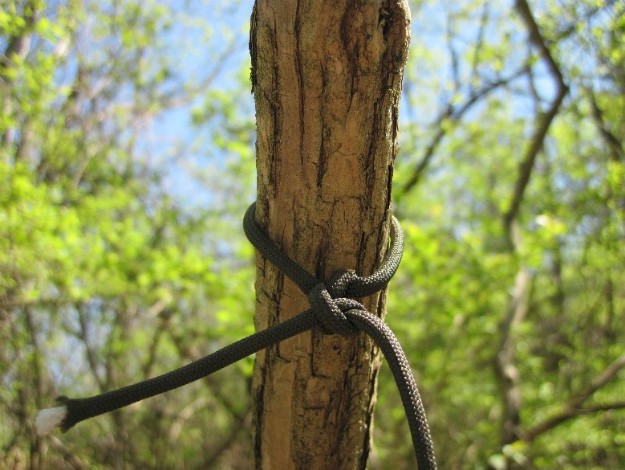
Along the game trail, find a flexible sapling. Tie your paracord on to the sapling.

Spot a Suitable Hunting Ground | The Pencil Snare: Trap For Your Life (Part 7)

Spot a Suitable Hunting Ground | The Pencil Snare: Trap For Your Life (Part 7)

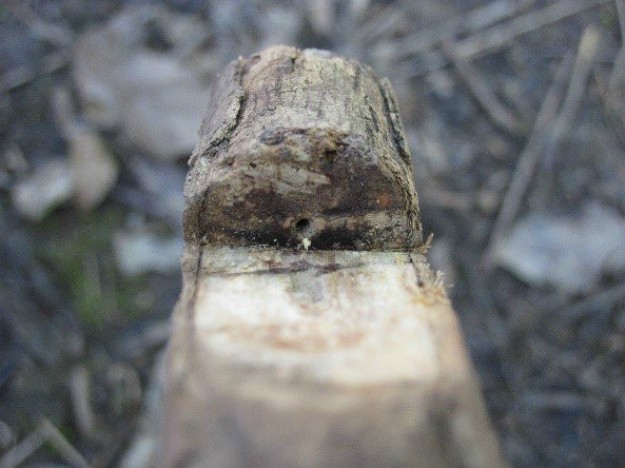
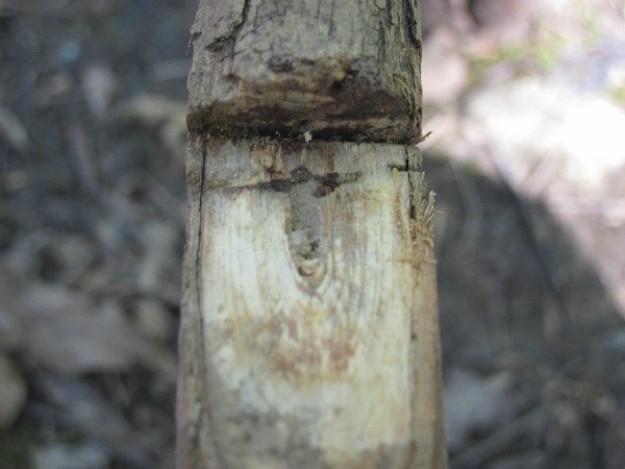
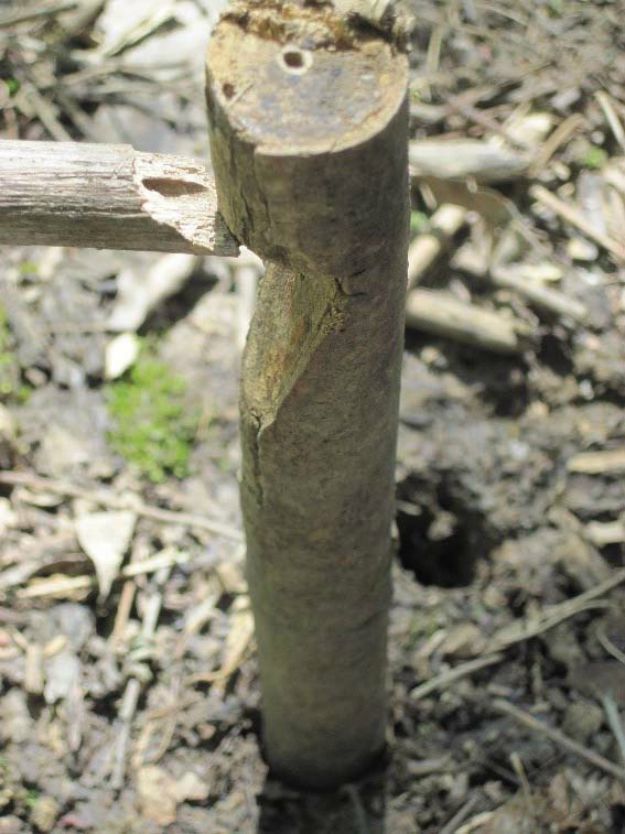
Take both of the 12 to 18-inch sticks and carve a groove in them, towards the top.

Sharpen the other end of those sticks using your knife. Push them into the ground. The grooves should be facing each other and the distance between the two sticks should be equal to the length of the pencil stick.

You might also want to check out – The Lift Pole Snare: Trap for Your Life (Part 5)

Step 2. Setting Up the Snare

Setting Up the Snare | The Pencil Snare: Trap For Your Life (Part 7)

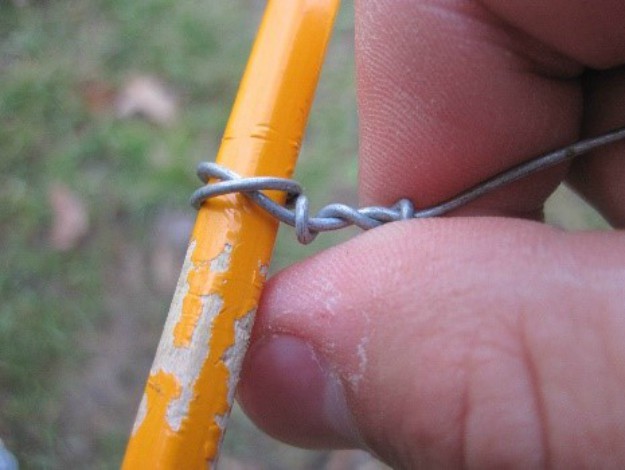
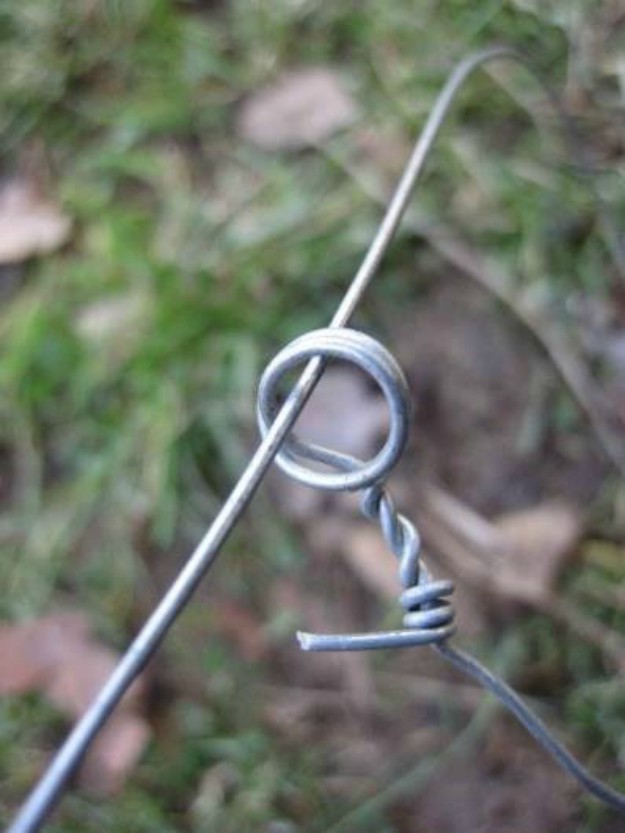
Using your pliers, cut about 10 to 12 inches of wire. Grab your pencil or twig and the wire. Loop the wire around the pencil twice. Twisty-tie the loop to the other part of the wire.

Setting Up the Snare | The Pencil Snare: Trap For Your Life (Part 7)

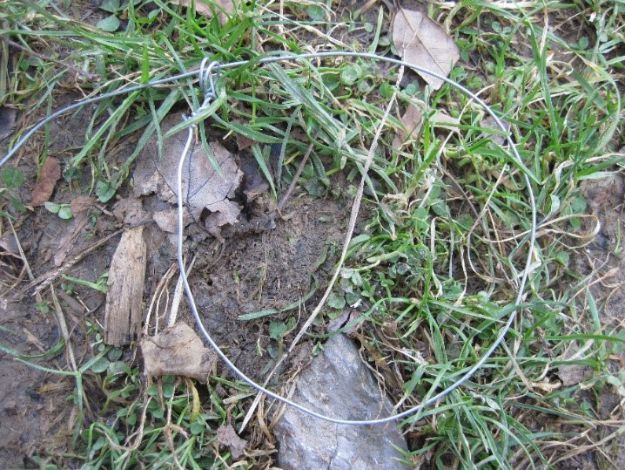
Pull the pencil out. Put the normal end of the wire through the loop, and make that loop 2 ½ to 3 inches in diameter, depending on the size of your targeted animal. Attach the snare on to the middle of the pencil stick.

Setting Up the Snare | The Pencil Snare: Trap For Your Life (Part 7)

Take the paracord that should be hanging down from the sapling and pull it down toward the two sticks in the ground. Make a good and tight length from the sapling to the sticks.

Also, Check – The Spring Snare: Trap for Your Life (Part 6)

Step 3. How to Trap Your Game

How to Trap Your Game | The Pencil Snare: Trap For Your Life (Part 7)

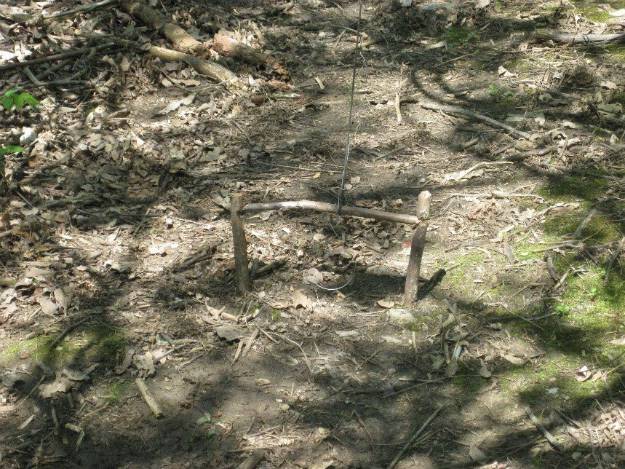
While you hold the paracord in position, tie it to the middle of the pencil stick. Then push the pencil stick in between the two sticks in the ground, and it should fit into the groove. It should look like the images shown below.

How to Trap Your Game | The Pencil Snare: Trap For Your Life (Part 7)

This snare is triggered when the animal enters the snare’s noose. He will go through the snare, pushing out the pencil stick from its groove. It will then release the sapling, causing the snare to go up in the air, trapping the animal. This snare is ideal for trapping chipmunks, squirrels, rabbits, small opossums, and small groundhogs.

The Two Stick Deadfall: Trap for Your Life (Part 9)

Follow the full guide to see how the pencil snare works in this video from Locke 6206:

Now you know what you need to do and how to get it done if you ever get caught in a survival situation. A simple pencil snare can totally make a difference in your survival. Check out the rest of the Trap for your Life series here to up your game!

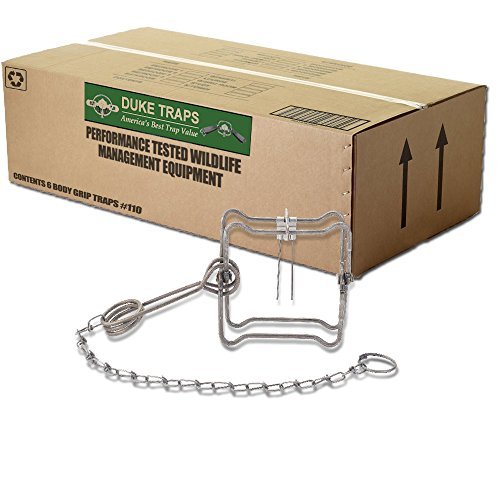
Duke #110BT Single Spring Body Grip Trap - 4.5' Jaws - for Mink, Muskrat and Weasel 0400 (6 Traps) 49 Reviews Duke #110BT Single Spring Body Grip Trap - 4.5" Jaws - for Mink, Muskrat and Weasel 0400 (6 Traps)
  • Jaw Spread 4.5" x 4.5"
  • for Mink, Muskrat and Weasel
$28.49 Buy Now Price incl. tax, excl. shipping

What do you think of the pencil snare and this guide to make one? Share your thoughts about it in the comments section below!

Up Next: Trap For Your Life: Part 10 | Make Your Own Water Trap

If you’re looking for useful survival gear that you can’t make at home, check out the Survival Life Store!

Check out Beginner’s Guide To Having an Outdoor Herb Garden | Survival Gardening at https://survivallife.com/survival-gardening-outdoor-herb-garden/

Follow us onInstagram,Twitter,Pinterest, and Facebook!

Editor’s Note: This post was originally published on April 22, 2016, and has been updated for quality and relevancy.

Save

Save

This Article Was First Found at survivallife.com Read The Original Article Here

Post Source Here: The Pencil Snare: Trap For Your Life (Part 7)

Monday, 6 August 2018

Three Simple And Effective Cybersecurity Basics For Off-The-Grid Living

Three Simple And Effective Cybersecurity Basics For Off-The-Grid Living Read more on: http://www.totalsurvival.net/

Cybersecurity basics are no longer an option.

Cybersecurity Basics – Keeping It Simple

What’s “cybersecurity basics” got to do with self-reliance? Well, as an Off The Grid reader, you understand the importance of preparing for major disasters. Catastrophes such as EMP attacks, economic collapses, and natural disasters.

Preparing yourself for those kinds of disasters is certainly important. But at the same time, there are many other kinds of smaller and more personal emergencies that you need to get ready for as well.

One such example of a more personal emergency that you need to prepare for is the possibility of hackers stealing or compromising your online data.

The truth is, we live in a time when online privacy is no longer a reality. Any device that connects to the internet is at risk of being intercepted, hacked, and compromised.

Every year, tens of millions of Americans have their identities hacked, with annual losses in the tens of billions. The good news is…

You can take steps to improve to improve your online privacy.

Today, we’ll talk about three basic and yet highly effective steps that any ordinary person can and should take to strengthen their cybersecurity.

Cybersecurity Basics Step #1 – Keep Your Devices And Software Up-To-Date

The first step may seem very rudimentary, but it’s also critically important. You absolutely must keep your computers and software up-to-date.

Being notified that you need to make security updates can indeed be annoying. But at the same time, developers design these updates to upgrade the security fixes against viruses and trending worms.

Checking for new updates is also incredibly easy. On a Mac, just click the Apple icon at the top left side of the screen, select “About This Mac,” and then choose the “Software Update” option.

On a PC, you’ll need to go to the “Start” button at the bottom left and then select “check for updates.”

Ultimately, keeping your devices and software up-to-date is your first line of defense against hackers.

Cybersecurity Basics Step #2 – Use A Password Manager

Chances are good that you’ll want to change your passwords right now because they may not be strong enough against hackers.

Passwords are to your websites, your software, and your devices as the keys are to your house or office.

Many people also believe that by setting an incredibly complicated password that they will be safe against hackers. Notwithstanding, this unfortunately isn’t always true. What hackers can and will do is upload a trojan horse onto your system, which tracks every key typed in.

In other words, no matter how complicated you think your password is, hackers can still figure it out.

What’s the solution here? Simple: you need to find the best password manager that you possibly can.

A password manager is simply the easiest solution to keeping your information safe.

What a password manager does is assist in retrieving and generating very complex passwords and then storing those passwords in an encrypted database.

Your passwords will be stored in what is called a “password vault,” which stores your passwords as securely as possible. In addition, the system permits you to save sensitive information either on your device or in the cloud.

This, in turn, means that you can use random combinations in each password, which makes it significantly more difficult for password hacking software to crack.

If you’re not using a password manager now, you’ll want to change that.

Cybersecurity Basics Step #3 – Run The Firewalls

A firewall is a network security device with the purpose of monitoring network traffic and then choosing whether to block or allow traffic based on the security rules that you have set.

In other words, if there is anyone who is looking to break into your security settings, the firewall is the primary line of defense against that. It does this by controlling the flow of online traffic that enters and leaves your system.

A good analogy is that it’s like a gate controlling the flow of people who can enter and leave a city.

In addition to monitoring traffic that enters and exits your computer network, a firewall can also be used to block Trojan horses. These are malicious programs disguised as legitimate-looking software. The firewall can detect and prevent a Trojan horse before it has the chance to latch onto your system.

Something else that a firewall can do is to stop a botnet. This is where a hacker infiltrates your computer and then includes it in a larger group of computers. All of this is designed to spread viruses and conduct other illegal activities.

Finally, a firewall can also stop keyloggers. Keyloggers are hackers who use spyware software to monitor your keystrokes. They then can copy the information to hack into your private accounts.

Conclusion

We’ve discussed three cybersecurity basics today. Each is an example of a fundamental and yet highly effective step that you can take to strengthen your cybersecurity today.

You may also enjoy reading an additional Off The Grid News article: Amazon Deploying New And Very Dangerous Facial Recognition Technology

Do you have any additional suggestions for basic cybersecurity measures to take when living off-the-grid? Let us know in the comments below.

The post Three Simple And Effective Cybersecurity Basics For Off-The-Grid Living appeared first on Off The Grid News.

This Article Was Originally Posted On offthegridnews.com Read the Original Article here

Source Here: Three Simple And Effective Cybersecurity Basics For Off-The-Grid Living

Why Your Composting Strategy Needs Worms

The following blog post Why Your Composting Strategy Needs Worms was originally published on http://totalsurvival.net/

If you have taken the step to start a compost pile for your garden, it is time to take one more step and consider vermicomposting, or composting with worms.

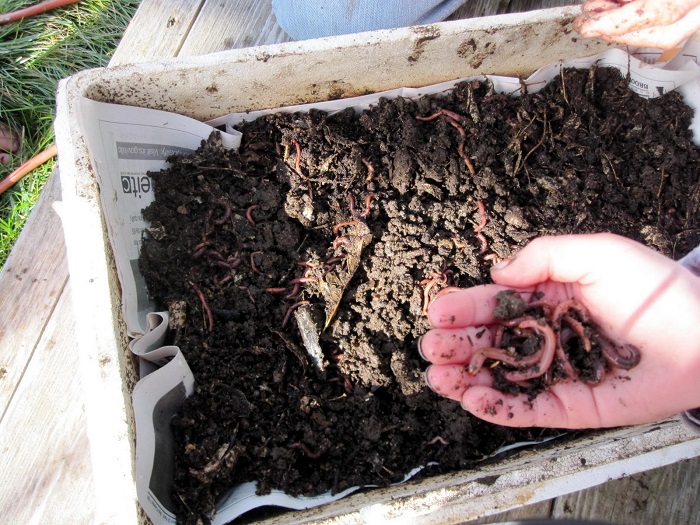
Image source: MossGrownStone

Unlike a traditional compost pile, vermicomposting is a wonderful and efficient way to dispose of kitchen waste and turn it into high quality organic compost. You may find that adding wet kitchen waste to your garden compost slows decomposition down. However, it is perfect food for hungry worms, who make quick work of your daily scraps. In fact, vermicomposting can help you reduce your kitchen waste, newspapers and cardboard trash by up to one-third.

Composting with Worms

Vermicompost, the rich end result from the worm’s work, consists of worm casts (feces) and some decayed organic matter. When worms are happiest and conditions just right, they can actually eat their own weight in organic matter daily. They feed off of the micro-organisms that are eating the organic matter and their casts contain about eight times more micro-organisms than what they are consuming. The great news for gardeners is that the casts don’t contain any pathogenic bacteria, as this is all killed in the worm’s gut.

When compared to ordinary garden soil, worm casts contain five times as much nitrogen, seven times more phosphorus, and 11 times more potassium. Casts are perfect soil conditioners because they contain a large amount of humid acids. These acids have a near perfect pH balance and actually contain the same properties as those found in seaweed.

What kind of worms are used in vermicomposting?

You may be familiar with the great big thick earthworms that burrow their way around your garden soil. However, the worms that are used in vermicomposting are actually not these worms but rather worms known as angle worms, manure worms, red wrigglers, river worms or brandlings. They actually live mostly near the surface of the soil where there are large concentrations of organic matter. They are commonly found in compost piles, leaf mold or pastures.

New Natural Fertilizer Doubles Garden Production!

You can find two different breeds of composting worms at most garden centers — Eisenia foetida or Lumbricus rubellas. In order to start composting with worms like these, you will need at least 1 pound or 1,000 worms which can easily increase to one million worms in a year. By starting with 1,000 worms, you will have an estimated surplus of about 35 pounds of worms in a year — this accounts for eggs that are lost when compost is harvested. You can either let the worms die off as they multiply or you can harvest them to sell, use elsewhere in the garden or start new compost boxes.

What kind of boxes are used when composting with worms?

As composting with worms becomes more and more popular, there are a number of commercial worm boxes available. Many of these, however, are made of plastic which does not breathe well. People who have have been practicing vermicomposting for a very long time suggest that gardeners build their own worm box from wood because wood is porous and allows for better ventilation. Making your own will also save you money in the long run.

Box size: Although you may find recommendations to make bigger boxes, a box that is too large is very difficult to manage. The best thing to do is to make as many boxes that handle 4 pounds of food waste a week as you need. These boxes measure 2-by-2-feet wide and 8-inches deep.

composting with worms

Composting with worms. Image source: ieuawatereducation

Box materials and construction: Use exterior grade 1/2-inch plywood, and be sure that it is not chemically treated. Use a non-toxic wood preservative instead or treat the box with vegetable oil. Use galvanized nails to put your box together and drill about twelve 1/2-inch holes in the bottom for ventilation. When you put your box together, be sure that the two sides are about 1/2-inch deeper so that the bottom of the box is elevated off of the ground a little. It is best to put the box in a tray because it will leak some. Also, be sure to make a lid for your box.

Box bedding

Add about 6 pounds of dry material to each worm box. Worms will eat their bedding as well as the food scraps. Any non-toxic fluffy material that holds moisture works well. Be careful not to use anything that will decompose too rapidly like alfalfa hay or green manure. The easiest and best bedding is composed of two-thirds corrugated cardboard and one-third peat moss. You can also use cardboard and newspaper.

Be sure to cut cardboard into 1-inch wide strips that are about 3 inches long and tear newspaper into 1-inch strips. Other things that make great bedding include aged horse, rabbit or cow manure, coco peat moss, sphagnum peat moss and fall leaves.

The Secrets Of Sea Minerals To Grow More “Nutritionally-Dense Food” Than You Can Possibly Eat!

In addition to bedding, add two handfuls of sand or soil to help the worms grind up food in their gizzards. Also, add a little bit of ground limestone or wood ash over the bedding. Mix the bedding together and dampen it thoroughly. Add the worms and allow them to settle into their new home for about 3 days before adding any scraps.

Kitchen scraps

When composting with worms, do not feed the worms metal, plastic, or foil. Use only vegetable and fruit scraps, tea bags, crushed eggshells, coffee grounds with filter, stale bread and small pieces of houseplant trimmings. Be sure that all scraps are cut into chunks and add citrus, onion and garlic sparingly. If adding dairy, meat and fish, do so sparingly at first and spread them out well into the bedding. Small or broken chicken bones are also OK but bigger ones won’t break down.

A good method is to collect kitchen scraps in a bucket with a lid and add to the compost every two days or so. Bury scraps in the bedding in a corner of the box and move to a new spot, close to the first one, next time. A small box can accommodate about nine bury sites.

About every 3 to 6 months, you will need to empty the box.

Harvesting for use

Method One

Dump the material in the box on a large piece of plastic under a bright light or in the sun. Make eight small mounds and wait a few minutes for the worms to bury into the mounds — they do this because they are sensitive to light. Use a hand brush and dustpan to lightly brush the top of each mound until you see worms — wait a bit for them to bury some more. Do this over and over. When you finish, you will have a pile of worms ready for new bedding. Once the worms are in their new bedding, what is left is rich compost. Store the compost for a couple of weeks before using in the garden.

Method Two

Place a piece of nylon mesh window screening that is a bit bigger than the size of the box — lay it flat on the surface of the vermicompost. Add fresh bedding on top of the screen and continue to feed kitchen scraps. The hungry worms will penetrate the screen into the new bedding to find the food.

When the top layer is ready for harvest, lift the screen out from the box and set it aside. Empty the box filled with high quality vermicompost. Dump the material that was on top of the screen back into the box and put the screen on top with fresh bedding. Be sure that the screen does not rot. Replace as needed.

Method Three

This is a super easy harvesting method, although you will not get a lot of extra worms. Feed kitchen scraps to your worms for about four months and start a new bed with fresh bedding. To be sure that the new box has enough worms, add a few each time you feed the first box. Once you start feeding the second box, stop feeding the first box. By the time the second box is full, the first box will contain very high quality castings but very few worms.

Tips and tricks:

  • There should be no flies or foul smells when composting with worms. However, if this happens you are feeding the worms more than they can consume. Stop feeding the worms and add some more dry bedding and lime. Stir the bin with a hand fork. Repeat the process as long as the smell persists.
  • Fruit flies may get into the box and they will not cause any harm; however, too many of them means too much feed. Slow down on the feeding and cover the waste with damp newspaper.
  • Your box may also become home to a number of soldier fly maggots or vinegar fly larvae. Although these maggots help with the compost in process, you can add more bedding and lime or even put a piece of bread soaked in milk on the surface. Once the larvae migrate to the bread, take it out and feed it to your chickens — they will love you.
  • Keep your wormery in a shady area outside, and if you have cold temps in the winter you should consider moving the wormery to a warmer location such as a garage or shed. You can also insulate the box by adding a layer of straw on top. Surrounding your worm bin with heavy plastic sheeting or pieces of old carpet will also keep your worms warm.

Using the worm compost

Mix the organic compost into the topsoil around your plants. You don’t need much because it is very rich. Use vermicompost to start seedlings by mixing about 25 percent into potting soil for best results. You can also make compost tea by mixing two tablespoons of vermicompost in with a liter of water. Let it sit for one day, shaking once in a while and sprinkle under plants. Be sure not to let vermicompost dry out before using it. Keep a fresh batch brewing all the time to keep your plants healthy and happy.

What vermicomposting tips would you add? Leave your comments in the section below:

The post Why Your Composting Strategy Needs Worms appeared first on Off The Grid News.

This Article Was Originally Posted On offthegridnews.com Read the Original Article here

This Article Was Found Here: Why Your Composting Strategy Needs Worms

Amazing Hiking Trails You Have To See To Believe

7 Hidden Dangers that Could Ruin Your Survival Plans

7 Hidden Dangers that Could Ruin Your Survival Plans was first seen on http://totalsurvival.net/

This post may contain affiliate links. If you make a purchase, I'll earn a small fee at no extra cost to you.*

7 Hidden Dangers that Could Ruin Your Survival Plans Follow Me on Pinterest

7 Hidden Dangers that Could Ruin Your Survival Plans Follow Me on Pinterest In most scenarios, the unseen risks – the ones you don’t expect and don’t prepare for – are the most dangerous risks. There is a lot that can go wrong with a survival plan. Major disasters are chaotic and full of hidden dangers, and it’s difficult to foresee and prepare for all of them.

However, the more hidden dangers you uncover and prepare for, the less likely it is that your plan will be derailed. With that in mind, here are seven hidden dangers that could ruin your disaster plans. Prepare for them ahead of time to make sure they don’t.

1. Spoiled Food

When you can regularly replenish your supplies with fresh food from the supermarket, eating spoiled food is a minor concern. But in a disaster scenario, where you are living on your stockpile of food, you need to be much more careful about what you eat.

The trouble is that when hunger sets in, “risking it” with a can of food that looks or smells suspicious becomes a lot more tempting. However, eating spoiled food could end your life far more quickly than starvation, and in a manner that is every bit as unpleasant.

While consuming some spoiled food may just leave you sick to your stomach, other types of spoiled food can be lethal. If you plan to rely on stockpiled food as a part of your survival plan, it’s important to learn the signs of spoilage and avoid food that looks suspicious at all costs.

2. Unwelcome Visitors

Disaster scenarios come with a number of moral dilemmas. For example, whether or not to help people who aren’t as prepared as you are. It’s easy to say you would turn them away without a second thought, but it’s not as simple when you are looking into the eyes of another human being, knowing that refusing to help them is sentencing them to death.

Likewise, it’s just as easy to say that you would help anyone and everyone, but it’s an entirely different matter when your supplies are dwindling and you and your family’s lives hang in the balance.

Whether it’s comfortable to admit or not, people who come to your doorstep looking for help are a hidden danger, and how you deal with them could determine whether you live or die. Keep in mind that desperate situations create desperate people, and even the most peaceful people can turn to thievery and violence when their lives are at stake. That’s why home security after the SHTF is so important.

Unfortunately, there is no right or wrong, black and white answer for how to deal with people who come asking for your help. In the end, all you can do is recognize the danger that they present and decide for yourself how you want to deal with them.

Ideally, you would make sure no one finds out you’re a prepper in the first place, that way they won’t come to your house when the SHTF. But if they do find out, here’s what you can do.

3. Minor Diseases and Injuries

We’re fortunate enough to live in a world where modern medicine has turned injuries and illnesses that used to be life-threatening into things that are little more than an inconvenience. But what happens in a scenario where modern medicine is no longer accessible?

In such a scenario, even minor injuries and illnesses can become a major threat. For example, without access to antibiotics, a simple cold or flu could transition into pneumonia and take your life. Or a minor cut could become infected and take your life. Or a sprained ankle could mean that you are unable to fend for yourself, costing you your life. Unfortunately, the possibilities are endless.

To avoid being taken down by a minor injury or illness, it’s first important to exercise caution. Do your best to keep your immune system strong and stay away from people who might be contagious. (Consider stockpiling pandemic supplies, just in case.) Likewise, avoid unnecessary risks that could lead to injury as best you can.

In addition to avoiding injury and illness as much as possible, it’s also important to stock up on as many first aid supplies as possible so you can treat injuries and illnesses that do come up. You may fall well short of duplicating the full effectiveness of modern medicine using just your expertise and supplies, but it’s still better than nothing at all.

4. Natural Disasters

Recovering from a disaster such as a house fire, flood, or tornado is difficult enough under normal circumstances. But when you’ve already been struck by one disaster, being struck by another one can be fatal.

Natural disasters can destroy your supplies, your shelter, and everything you rely on to survive in a matter of minutes. Without the luxury of a weather service, it can be difficult to see them coming, which makes them the very definition of a hidden danger.

In order to deal with natural disasters when you’re already in survival mode, it’s a good idea to keep your supplies in a location that is as disaster-proof as possible, such as underground in a watertight structure. You could also hide some survival caches in various places around your property or town.

It won’t be possible to protect your home/shelter in the same manner, so have a backup plan as to where you can go if your home is destroyed. (Here are some features to look for in a bug out location.)

It’s also important to know the types of natural disasters that are common in your area so you can better prepare for them. While house fires can happen anywhere, disasters such as tornados, hurricanes, and earthquakes are specific to certain parts of the country. Figure out the natural disasters that are common to your area and put together a plan for dealing with them.

5. Mental Health

Of all the things that people need to prepare for, emotional strain is overlooked the most. Most survivalists will do everything possible to ensure their physical health without giving a second thought to their mental health. However, in order to survive the most perilous situations, your mind needs to be in peak condition.

The problem is that everything about a major disaster is incredibly taxing on your mental health. The stress of trying to keep yourself and your family alive can become overwhelming in no time at all, and all of the comforts that you’re used to won’t be there to soothe and relax you. It’s important to stay calm.

Other times, it isn’t the stress that gets you but rather the boredom. In most cases, a post-disaster world is going to be one that entails week after week of mind-numbing boredom followed by brief periods of way more excitement than you bargained for. It isn’t just the “exciting” periods that are dangerous, though, as the periods of boredom can deteriorate your mental health and lead to cabin fever.

When putting aside supplies, it’s important to keep these things in mind. In addition to the things necessary to keep your body healthy such as food and shelter, you also need to set aside things such as books, music, and other entertainment items to keep your mind occupied and healthy as well.

6. Lack of Sleep

Lack of sleep for an extended period of time can be very detrimental to your health. Of course, getting a good night’s sleep when SHTF is easier said than done. Of all the comforts you may be used to, the ability to fall asleep easily is likely to be the first to go. But if you’re not getting enough sleep, you won’t be physically or mentally prepared to deal with the dangers that come your way.

Unfortunately, there is no easy cure for the stress-induced insomnia that goes along with disaster survival. However, having a secure place where you can sleep without fear is a great place to start. If that’s not possible, then everyone should take turns standing watch throughout the night, that way others can rest easy knowing they will be alerted of any danger.

You may also want to set aside a supply of over-the-counter sleep aids to make falling asleep easier. I recommend mild sleep aids such as melatonin or diphenhydramine, as anything stronger could make it difficult to wake up in the event of danger.

7. Wildlife

Dangerous wildlife was a major concern back when we were first invading their territory. Today, dangerous animals rarely encroach on our world of concrete and glass, choosing instead to stick to their own domain.

However, if you leave the city and take off through the wilderness, then all that changes. Suddenly you have to deal with everything from ticks and mosquitoes that can carry life-threatening illnesses to spiders and snakes that can end your life with a single venomous bite to large predators that may view you as a threat, a meal, or both.

If your bug out plan involves going through the wilderness to escape the chaos of the city, it’s essential that you have a solid understanding of the wildlife in the area. Identify any dangerous wildlife you may encounter and prepare ways to deal with them.

For example, you’ll likely want to have insect repellent no matter where you live. If you’re in bear country, it’s a good idea to have bear spray and/or a large caliber firearm with you, and if there are venomous snakes in your area, then it’s a good idea to buy a snakebite kit.

Conclusion

There are certainly many other hidden dangers that didn’t make this list. All you can do is spend time learning from others and trying to imagine every possible scenario, that way you can prepare accordingly. The more you plan ahead, the less likely you are to be caught off guard when the SHTF.

Want to prep but not sure where to begin? Sign Up for Our Newsletter and get your FREE One Year Urban Survival Plan!

Sponsored LinksThis article first appeared on urbansurvivalsite.com See it here

Read More Here: 7 Hidden Dangers that Could Ruin Your Survival Plans

Sunday, 5 August 2018

Measuring Our Responsibilities In This World By Using Gods Word As Our Ultimate Standard

The following article Measuring Our Responsibilities In This World By Using Gods Word As Our Ultimate Standard Find more on: http://www.totalsurvival.net/

The only real way of measuring our responsibilities is to go straight to the bible.

Measuring Our Responsibilities According To Jesus

Jesus speaks to the principle of measuring our responsibilities and its connection to stewardship several times in His parables. In Luke 12, for example, He describes a good steward, one who, in his master’s absence, faithfully administers his estate. Jesus promises that such a steward will receive a rich reward: “Truly, I say unto you, that he will make ruler over all that he has” (v. 44). This makes “measuring our responsibilities” one of our Lord’s regular themes. The reward for faithfulness is the opportunity for greater faithfulness. The reward for responsibility is a greater responsibility. This is true in earthly matters and in the kingdom of heaven. OK so far, right?

But then Jesus suggests an alternate scenario: What if the steward isn’t faithful? What if he abuses his authority? And what if he beats his subordinates and wastes his master’s larder and wine cellar? What if he’s drunk on the job? Then, Jesus said, his master will return without warning and pass immediate and frightening judgment. He “will cut him in sunder, and will appoint him his portion with the unbelievers” (v. 46). Some have argued that “cut in sunder” (in two) is likely figurative, but even if that’s so, it doesn’t change the application: the portion of unbelievers is certainly hell. Jesus is saying that those who pervert their stewardship show themselves to be His enemies and worthy of His wrath.

Measuring Our Responsibilities And Our Accountability

But there’s more. Jesus now discusses the question of accountability: Does ignorance of the master’s will constitute excuse? Or at least grounds for some sort of mitigation of the penalty? Here is Jesus’ answer: The servant who knew his master’s will and violated it “shall be beaten with many stripes,” but the servant failed to learn his master’s will but still violated it “shall be beaten with few stripes” (vv. 47-47-48). “For unto whomsoever much is given, of him shall much be required” (v. 48).

What Jesus is saying is that both in his parable and on Judgment Day, there are degrees of accountability and, therefore, degrees of punishment. “Many stripes” versus “few stripes.” Should this be any great comfort to those who rebel against God and His law? Nope, hell is still hell. Dante was not only nuts but dead wrong. Hell has no fringe or limbo zones for folks who didn’t love God but didn’t really hate Him either. No neutrality here. And no such people among the children of Adam according to the bible. Here’s the thing: We are all conceived and born in sin (Ps. 51:5; 58:3; Rom. 3:10, 23). We all know God and hate God until God brings us to Himself through Jesus Christ. Yet our Lord still underscores the principle that greater knowledge and accountability may lead to greater punishment.

Measuring Our Responsibilities: The Case Of Caiaphas and Pilot

What Jesus teaches in Luke 12 is consistent with the rest of Scripture. Some sins are worse than others. The whole Mosaic law testifies to this in its sacrificial system and its penology. The sins of the priest required a young bull as a purification offering; those of a ruler required a young male goat; those of the commoner required a female goat or lamb (Lev. 4). A murder was a capital crime; theft required restitution. It allowed the judges to punctate particularly vile or vicious crimes with lashes, the number determined “according to his fault” (Deut. 25:2). The basic rule of Mosaic penology was “life for life, an eye for an eye, a tooth for a tooth, hand for hand” (Ex. 21:23-24). Extreme? Nope. Just means that the punishment should always fit the crime. You shouldn’t go to prison for life … for jaywalking.

In the New Testament Jesus told Pilate that the high priest’s sin in handing Jesus over to Rome was greater than Pilate’s sin in trying and condemning Him (John 19:11). Given that not all sin is punished in this world, we should assume some sins will receive greater punishment than others in eternity. Jesus told the Pharisees that those who “devour widows’ houses” but cover their sins with the pretense of long prayers will receive “greater damnation”—greater because they commit the greater sins of sacrilege and extortion (Matt. 23:14). (Some TV preachers probably should read that part of the bible once in a while.)

Measuring Our Responsibilities

Then there are the passages that compare the final fate of notoriously evil cities to that of the Jewish cities that rejected Jesus during His earthly ministry. Jesus said of Capernaum, “It shall be more tolerable for the land of Sodom in the day of judgment, than for thee” (Matt. 11:24). He said the same of any city that rejected the testimony of His seventy missionaries (Luke 10:12). Of Chorazin and Bethsaida, He said: “It shall be more tolerable for Tyre and Sidon at the judgment, than for you” (Luke 10:13-14). Tyre and Sidon were Phoenician cities and generally loyal to Baal.

In part, we are dealing with the relative nature of individual sins; in part, with the principle that greater knowledge, the reception of fuller or clearer revelation, brings with it greater responsibility. Jesus told His disciples, “If I had not come and spoke unto them, they had not had sin: but now they have no cloak for their sin” (John 15:22). The writer of Hebrews twice argues along the same lines: If the revelation mediated by angels at Sinai required a “just recompense of reward” for those who violated its terms, “how shall we escape” if we neglect the promise of the gospel revealed by God’s own Son? (Heb. 2:1-4).

And again, he who despised Moses’ law died without mercy at the word of two or three witnesses: “Of how much sorer punishment, suppose ye, shall he thought worthy” who willfully rejects and despises Christ as He is offered in the gospel? (Heb. 10:28-31). Yep. Those who despised Moses’ law died in their rebellion. But, those who despise Jesus face an even greater punishment. Makes you wonder why some people say the New Testament is “kind and gentle” compared to the Old Testament. Now, what does all of this have to do with history?

Measuring Our Responsibilities In The Course Of History

History is God’s creation, His story or drama. God is sovereign in all His acts, immanent in all that He does. Also, God reveals His glory, wisdom, justice, mercy, and truth in every incident and episode of Earth’s history. God plays the shorthand and the long game. God purposes the collapse of empires and the fall of a lone sparrow (Dan. 2; 7; Matt. 10:29). He lays waste to great cities before the watching world (Nah. 1), but in some remote corner of our planet, He sends showers and causes green grass to spring up and grow, though no man will ever see it (Job 38:26-27).

All of these things God works by His own wise providence. This means they all matter to Him. They matter eternally. But they don’t all have the same level of significance. God says to His people: “Fear not therefore: ye are of more value than many sparrows” (Matt. 10:31). Elsewhere Jesus lays down a broader principle: “How much then is a man better than a sheep?” (Matt. 12:12).

The things men do matter greatly to God. He considers the heart; He weighs the effect. This is true when He judges His people; it is also true when He judges His enemies. His judgment in history and beyond history testifies to His great regard for history.

Measuring Our Responsibilities In This World

In time and eternity, God measures out the consequences of men’s evil acts precisely because history is important to Him. If it were otherwise, then how we behave in this world would be irrelevant. And while we’ve discussed hell as having no gradients earlier… on earth we make distinctions in the way that God prescribes. If we don’t use Gods word to understand and discern the temporal gradients given to us… the serial killer and the petty thief would be on an equal footing. So would the child molester and the weekend drunk. Hatred and murder would be moral equivalents. But this isn’t Christianity. Maybe more like Hinduism or Gnosticism.

Rather, Christianity though scripture tells us there is a real difference. And that there is, in history, a difference between a Thomas Jefferson and a Joseph Stalin, between an Albert Schweitzer and an Adolf Hitler, or between an Attila the Hun, who destroyed men’s bodies, and an arch-heretic like Arius, who destroyed men’s souls. That means it’s important to learn how to judge your fellow man’s character with a lot of discernment and respect. We’re all sinners after all. So we must look at God’s distinctions and not our own. The bible says unbelievers are hellbound for example. But it doesn’t say you can treat the unbeliever in any way you think is right. Meaning that you can’t “run-over” your unbelieving neighbor literally or figuratively. For example, that might mean telling an unbeliever the truth about hell. But it also might mean commending him for his compassion or practical charity. But the point I’m making is that we can honestly tell those who don’t know Christ as Lord, that restraint in their sins is better than no restraint at all.

Measuring Our Responsibilities On The Last Day

measuring our responsibilities

God’s measuring our responsibilities … now and into eternity.

I guess there are lots we can tell our unbelieving friends. We can assure them that God in some measure considers (judges less severely) their chastity, courage, and honesty even when such things spring from a faithless heart. But on the last day, none of the practical and pragmatic stuff … none of the outward virtues and nothing born merely of common grace … will lead one step toward heaven.

Nope. No amount of outward or external good can save a human soul, but such external virtues can have a real impact on Christ’s Church and on the future of His kingdom. Every single one of our actions matters now and into eternity.

The post Measuring Our Responsibilities In This World By Using Gods Word As Our Ultimate Standard appeared first on Off The Grid News.

This Article Was Originally Posted On offthegridnews.com Read the Original Article here

Learn More Here: Measuring Our Responsibilities In This World By Using Gods Word As Our Ultimate Standard